Just landed in Germany on your student visa? A Nepali student's first-two-weeks checklist - Anmeldung, residence permit, bank, insurance, transport.
This is Part 7 of 9 in the Study in Germany series for Nepali students. The other parts cover the overview, choosing a university, admission requirements, language requirements, financing your studies, the visa process, working while you study, and life after graduation.
Last reviewed: May 2026. German fees and deadlines change. Verify each figure with the official source linked in that section before you plan around it.
Your visa is in the passport, the flight has landed, and the first jet-lagged week in Germany is now an administrative obstacle course. This guide is the checklist Nepali students need for the two weeks after arrival: registering your address, converting the visa to a residence permit, opening a bank account, switching from travel cover to statutory health insurance, and getting the daily-life pieces (SIM, transport, doctor) in place.
Anmeldung: Register Your Address Within 14 Days
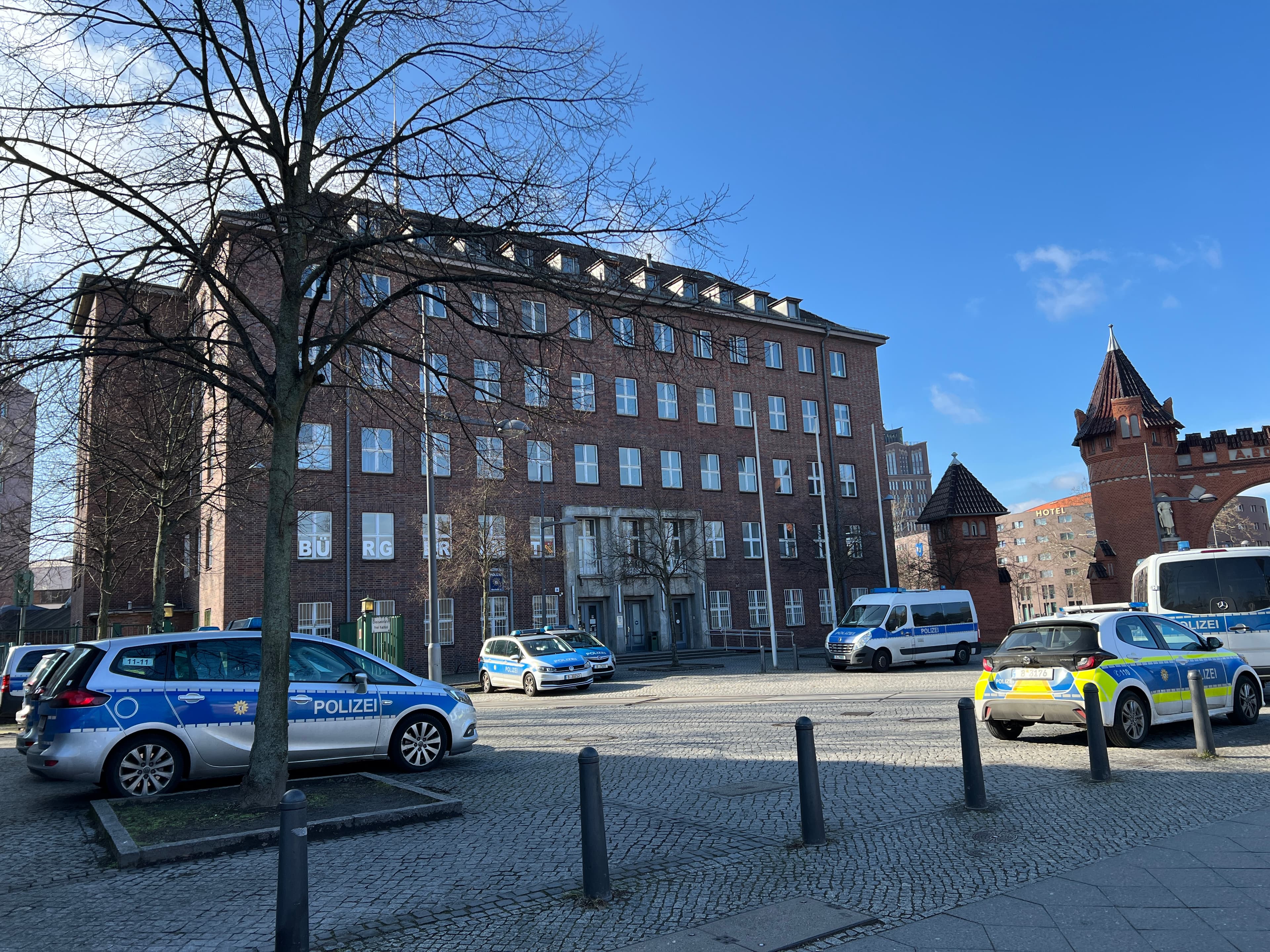
The single hardest deadline of your first month is the Anmeldung. The Bundesmeldegesetz requires anyone moving into a German residence to register at the local Burgeramt within two weeks of move-in, not two weeks of arrival in Germany. Source: Bundesmeldegesetz, official English translation.
Book the appointment online with your city as soon as you have a rental contract; slots in Berlin, Munich, and Cologne fill weeks in advance. To the appointment, bring your passport, the signed rental contract, and the Wohnungsgeberbestatigung, a one-page confirmation your landlord is legally required to give you within two weeks of move-in. The Burgeramt issues an Anmeldebestatigung on the spot. Keep three copies. Every German bureaucracy that follows, including the foreigners' authority, the bank, and the university enrolment office, will ask for it.
Residence Permit at the Auslanderbehorde
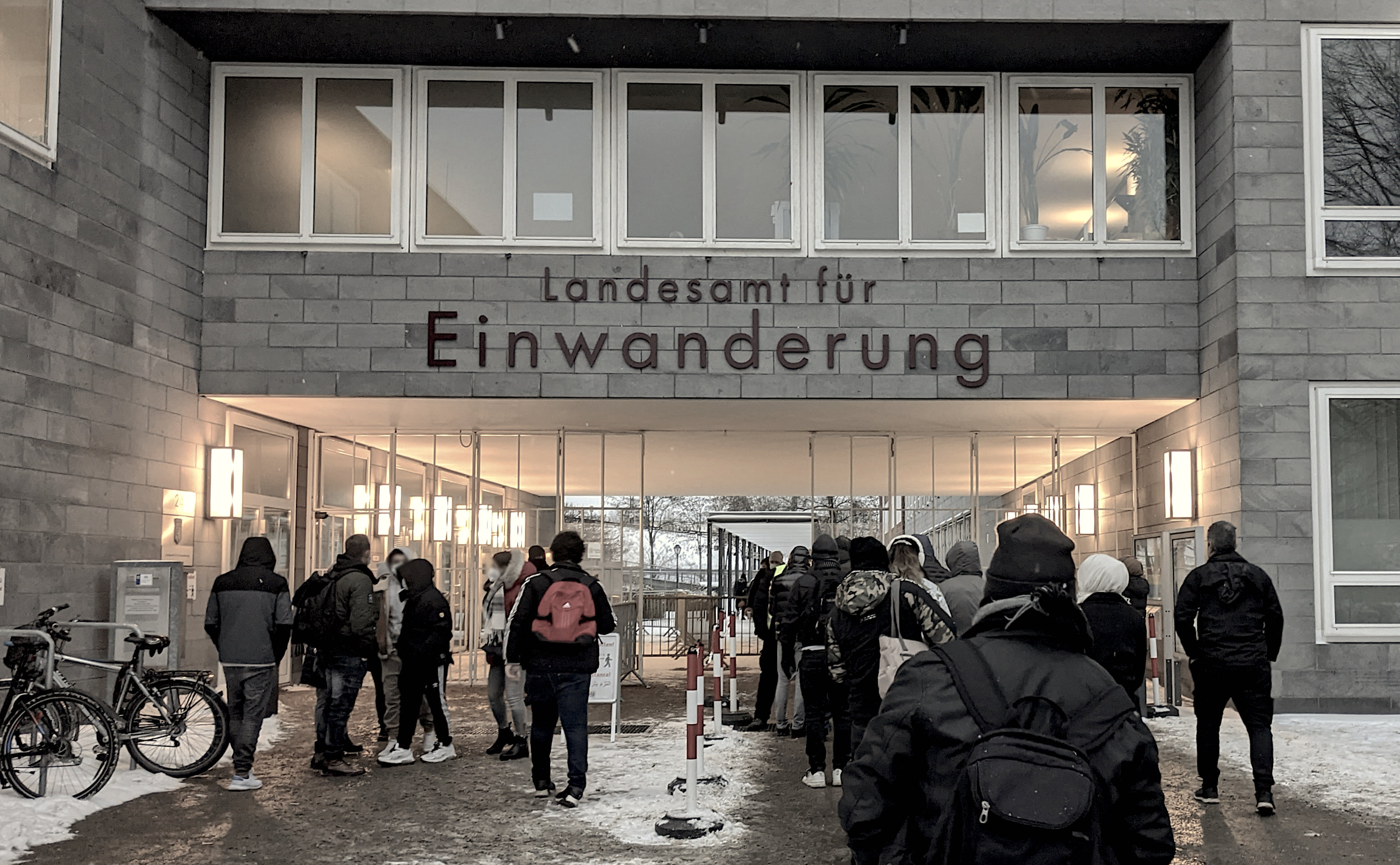
Your D-visa from the Embassy Kathmandu is valid for the first three months only. Inside that window you must apply for the Aufenthaltserlaubnis zum Studium, the student residence permit, at your city's Auslanderbehorde. The permit is issued for up to two years and is renewed in two-year increments while you study. Source: Make it in Germany, residence permit for studies.
Bring your passport with the D-visa, the Anmeldebestatigung, your university or Studienkolleg enrolment certificate, proof of statutory health insurance, and an updated financial proof (your blocked-account balance statement is the usual document, with the numbers explained in Post 5). The appointment fee is around EUR 100 for the initial permit. Some city authorities have months-long waiting lists; the moment your visa carries an entry stamp, your residence permit clock is running, so book the appointment in your first week.
Switch From Travel Cover to Statutory Health Insurance
The travel health policy that got you to the visa interview only covers your first weeks. To enrol at the university, you need statutory health insurance (gesetzliche Krankenversicherung) from a German provider such as TK, AOK, Barmer, or DAK. Students under 30 pay the reduced student tariff, around EUR 140 to EUR 150 per month in 2026 once the average 2.9 percent supplementary contribution is added. Source: TK contribution-rate page.
Apply online with the provider of your choice. They issue an electronic confirmation that the university accepts for enrolment and that the Auslanderbehorde accepts for your residence permit. The cost is the same across statutory insurers, so pick by service in English, app quality, and student support.
Open a Current Account and Convert the Blocked Account
You arrived with a blocked account (Sperrkonto). To draw your monthly EUR 992 living allowance, link it to a current account (Girokonto) in your name. Most students open the Girokonto at Deutsche Bank, Commerzbank, Sparkasse, or an online bank such as N26 or DKB. Bring your passport, Anmeldebestatigung, residence permit (or visa, if the permit is pending), and university enrolment certificate.
If a bank refuses you because of incomplete paperwork, every consumer legally residing in Germany has the right to a Basiskonto, a basic payment account, under the Zahlungskontengesetz. The bank must process the application within ten working days. Source: BaFin, Basic payment account. Once the Girokonto is live, send the Sperrkonto provider (Fintiba, Expatrio, or your bank) a written instruction to release the first monthly transfer.
The Daily-Life Setup: SIM, Transport, Broadcast Fee
Three pieces every student lines up in week two, all of which want your Anmeldebestatigung:
| Item | What it costs | What you need |
|---|---|---|
| German SIM (Telekom, Vodafone, O2, prepaid) | EUR 10 to EUR 25 per month | Passport + residence permit (TKG section 111 ID rule) |
| Deutschlandsemesterticket (student version of Deutschlandticket) | From around EUR 37.80 per month in summer 2026, included in semester fee at many universities | Enrolment certificate |
| Rundfunkbeitrag (public broadcasting fee) | EUR 18.36 per month per residence | Anmeldebestatigung; one fee per household, WG roommates split |
The Bundesnetzagentur has required photo-ID for every SIM purchase since 2017, so the kiosk SIM workflow that worked in Kathmandu does not exist here. Source: Bundesnetzagentur prepaid identification. The Deutschlandticket replaced the old regional Semesterticket; the student version is 60 percent of the EUR 63 regular price. Source: Bundesregierung Deutschlandticket FAQ. The Rundfunkbeitrag funds ARD, ZDF, and Deutschlandradio and is mandatory; BAfoG recipients can apply for an exemption, but most Nepali students are not BAfoG-eligible. Source: Rundfunkbeitrag, students and apprentices.
Finding a Doctor and the Emergency Numbers
Pick a Hausarzt (family doctor) in your first month, not on the day you fall ill. Statutory-insured patients use the 116117 Patientenservice run by the Kassenarztliche Bundesvereinigung to find a Kassenarzt near you and book non-urgent appointments online, by phone, or in the 116117 app. Source: KBV, Patientenservice 116117.
For emergencies, remember two numbers: 112 for fire or ambulance (works across the EU) and 110 for police. Pharmacies (Apotheke) rotate a night-and-weekend on-call service; the rota is posted on every pharmacy door.
Where to Live: Studierendenwerk Dorm or WG
Most Nepali students arrive into one of two housing routes. Studierendenwerk dormitories, run by your university's student services body, are the cheapest option at around EUR 180 to EUR 350 per month for a furnished room. Apply online before you land, list three preferred houses, and upload your admission letter and passport scan. Source: Deutsches Studentenwerk accommodation. Wohngemeinschaft (WG), a shared private flat, gives more flexibility and faster availability but means writing application messages in German on portals like WG-Gesucht. The cost depends on the city; Berlin and Munich rooms run EUR 500 to EUR 700, smaller university towns half that.
Your First 30 Days at a Glance
- Days 1 to 3: Move in, get the Wohnungsgeberbestatigung from your landlord.
- Day 3 to 14: Book and attend the Anmeldung. Save three copies.
- Week 2: Pick a statutory health insurer, open a Girokonto, get a SIM.
- Week 2 to 3: Enrol at the university with the Anmeldebestatigung and insurance proof. Pay semester fee, receive student ID and semester ticket.
- Week 3 to 4: Book the Auslanderbehorde appointment. Register a Hausarzt via 116117.
- Before month three ends: Attend the Auslanderbehorde appointment with all documents. Collect the residence permit card.
Once these are done, the rest of life in Germany unlocks: a part-time job within the 140-full-day or 280-half-day student limit, travel inside the Schengen area on your residence permit, and the start of the language ladder toward your university's required exam level. If your certificate is still below the level the programme expects, the months after arrival are when the gap is widest and the daily exposure to German is highest. Tools like SagaDeutsch, built around the Goethe and TELC exam formats across A1 to C2, let you keep that progress measurable while you settle in.
Frequently asked questions
In theory, late registration can be fined up to EUR 1,000 under the Bundesmeldegesetz. In practice, Burgeramt staff in most cities accept first-time international students who register a few weeks late, as long as they show a booked appointment slot was simply unavailable. The bigger risk is downstream: without an Anmeldebestatigung you cannot open a regular bank account, apply for the residence permit, or finalise university enrolment, so the delay cascades.
Yes, for the first six months after you take up residence. After that, a non-EU licence must be exchanged or you must take the German test. For most Nepali students the practical answer is to rely on the Deutschlandticket and city bike-share. Driving is rarely a daily need in German student cities and the licence-exchange process is paperwork-heavy.
Switch on or before the day your university enrolment starts. Enrolment requires statutory health insurance proof, and your residence permit appointment will ask for it as well. Most providers process student applications within a week and backdate cover to your first day in Germany, so the practical move is to apply in week one even if your university start is later.
Only one fee of EUR 18.36 per month is charged per residence, regardless of how many people live there. WG flatmates pick one person to register the household, then split the cost between them. If you live alone in a one-room flat, the full fee is yours; international students who are not BAfoG-recipients usually cannot claim the standard exemption.